
E-commerce Shipping and Logistics Costs: Managing Expenses
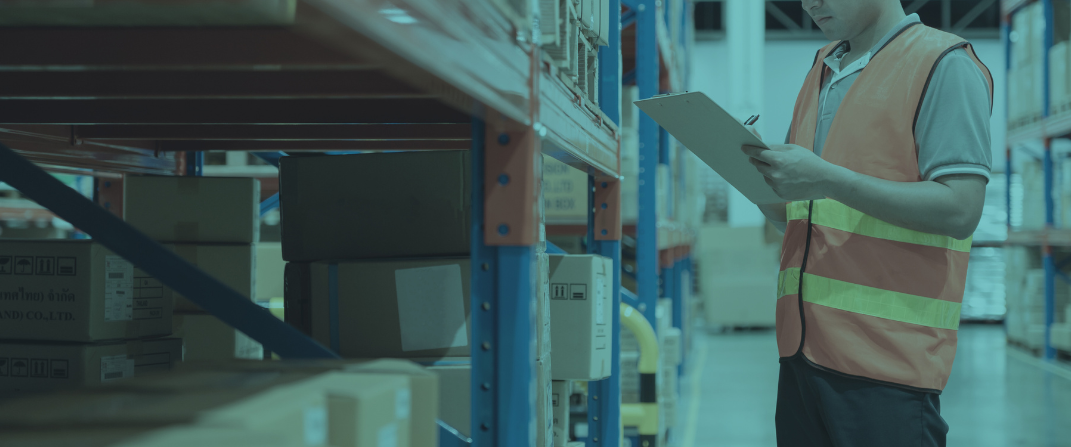
Seven ways to take cost out of shipping and fulfillment, and the three-way split in your books that decides whether you can tell if any of it worked.
Shipping is a cost that scales with every order rather than sitting flat, so a per-order saving compounds across the year in a way a fixed-cost saving does not. The seven items below are where that money usually is.
The Importance of Managing E-commerce Logistics Expenses
E-commerce businesses often face rising logistics costs due to increased demand, growing shipping expectations, and complex supply chains. Failing to manage these expenses can quickly erode profit margins and diminish your competitive edge. By implementing the right strategies, you can reduce unnecessary costs and ensure your business remains financially healthy.
Getting these costs down does more than help the bottom line; it decides how much room you have to price against competitors solving the same problem.
Key Strategies for Managing E-commerce Shipping and Logistics Costs
1. Outsourcing Logistics Operations
One of the most effective strategies for managing logistics costs is outsourcing. Many e-commerce businesses are choosing to partner with third-party logistics (3PL) providers to handle their shipping, warehousing, and fulfillment operations. Outsourcing allows you to take advantage of your partner’s established networks, expertise, and economies of scale.
Benefits of outsourcing include:
- Cost Savings: By outsourcing to experienced providers, businesses can reduce costs associated with warehousing, transportation, and labor.
- Focus on Core Business: Delegating logistics tasks enables you to concentrate on scaling your e-commerce store and improving customer experiences.
- Scalability: Outsourced logistics providers offer flexible services, allowing you to scale operations up or down based on demand.
To explore how outsourcing can transform your operations, visit our page on outsourced bookkeeping services.
2. Automating Warehouse and Shipping Processes
Automation takes cost out of inventory management, picking, packing and shipping by removing the manual steps. Investing in automation technologies can improve the efficiency of your logistics operations while reducing the margin for error.
Advantages of warehouse automation include:
- Increased Efficiency: Automated systems minimize manual work, speeding up operations and reducing delays.
- Reduced Labor Costs: With fewer manual tasks, you can reduce labor costs while improving accuracy.
- Better Use of Space: Automation can help you make better use of available storage space, minimizing excess inventory and reducing overhead costs.
Learn more about how technology and data change day-to-day operations in our article on data-driven business decisions.
3. Right-Sizing Your Packaging
Packaging is one of the few levers that cuts the carrier bill directly. Right-sized boxes and lighter materials lower what you pay per parcel and cut waste at the same time.
Three things to get right:
- Right-Sizing: Use packaging that fits your products snugly to minimize wasted space. This allows you to reduce dimensional weight charges and shipping costs.
- Sustainable Packaging: Environmentally friendly materials can reduce waste and may be more cost-effective in the long term.
- Protective Packaging: Proper packaging reduces the risk of damage during transit, minimizing costly returns and replacements.
For how these savings fit the wider budget, see our insights on financial resource allocation.
4. Tightening Returns Management
Returns can be a significant cost factor for e-commerce businesses. A tighter returns process cuts the expenses that come with them, such as additional shipping costs, inventory management, and customer service.
Three places returns leak money:
- Clear Return Policies: Establish clear return policies that minimize unnecessary returns while maintaining customer satisfaction.
- Efficient Processing: Automate returns processing to reduce manual tasks and ensure that returned items are restocked or resold quickly.
- Communication: Communicate effectively with customers to ensure that return requests are legitimate and handled efficiently, reducing the volume of unnecessary returns.
For additional insights into managing returns and customer expectations, explore our article on improving business efficiency with data-driven strategies.
5. Strengthening Customer Communication
Effective communication with customers can help reduce logistics costs by ensuring accurate orders and minimizing returns. A personalized, transparent approach to customer communication can encourage customers to double-check their orders, reducing errors that lead to costly returns.
Ways to strengthen customer relationships:
- Order Confirmation: Ensure customers receive detailed order confirmations, including estimated shipping times and delivery costs.
- Proactive Updates: Provide real-time updates on shipping status to reduce inquiries and ensure customers are informed about delivery timelines.
- Customer Feedback: Encourage feedback to help identify areas for improvement in your shipping processes.
Building strong customer relationships also promotes loyalty and repeat business. For more on the benefits of effective customer engagement, check out our article on competitive market analysis.
6. Planning Transportation Routes
Route planning matters most once you ship in volume. Better routes cut fuel, delivery times and the total transportation bill together.
Three strategies that work:
- Consolidated Shipping: Combine multiple shipments into a single load to maximize vehicle capacity and reduce the number of trips required.
- Route Planning Software: Use technology to analyze and plan the most efficient routes, accounting for traffic, distance, and delivery windows.
- Partnering with Local Providers: For e-commerce businesses operating in multiple regions, partnering with local logistics providers can reduce costs and improve delivery speed.
If your routing data lives in several systems at once, see our article on data warehousing in finance.
7. Putting Freight Out to Tender
Digital freight exchanges let you put a shipment out to several carriers and compare quotes in one place instead of negotiating each contract separately. Which platforms serve you depends on where you ship: coverage is regional and it changes, so check that a platform actually operates in your lanes before building a process around it. DHL’s Saloodo!, for instance, discontinued its European service and now runs only in the Middle East and Africa.
Benefits of using digital freight exchanges:
- Cost Transparency: Access real-time quotes from various carriers to find the best rates for your shipments.
- Automated Processes: Booking, tracking and payment run through one system, which cuts the administrative overhead.
- Improved Customer Satisfaction: Faster shipping times and more accurate tracking improve the overall customer experience.
For more on how automation can help reduce logistics costs, check out our data engineering services at Parikh Financial.
How to Book It
Everything above is an operations problem. The part an accountant sees is narrower and easier to get wrong, and it comes down to three flows that must not be mixed.
Shipping you charge customers is revenue. Shipping you pay carriers is cost. Netting one against the other is the most common error, and it destroys the only number that answers whether your shipping policy is working: what the two figures are separately, month by month. Free shipping looks free precisely because the cost got buried in the revenue line.
Outbound and inbound freight are different animals. Outbound freight (getting the parcel to the customer) is an operating cost of the period, usually booked as freight-out. Inbound freight (getting stock into your warehouse) is part of what that inventory cost you. Reg. §1.471-3(b) is explicit: to the net invoice price of purchased merchandise you add “transportation or other necessary charges incurred in acquiring possession of the goods.” It leaves the balance sheet as cost of goods sold when the item sells, not when the freight bill arrives.
That distinction survives even if you are a small business. Section 263A, the uniform capitalization rules, exempts taxpayers who meet the §448(c) gross receipts test (average annual gross receipts of $32 million or less for tax years beginning in 2026, up from $31 million in 2025), but the exemption is from §263A’s additional indirect costs, not from the basic rule that freight-in is part of inventory cost.
Reconcile carrier and 3PL invoices monthly. Accessorial charges, residential surcharges, dimensional-weight reweighs and fuel adjustments land after the fact and are rarely caught without somebody deliberately checking. The money recovered from a monthly reconciliation usually exceeds what the reconciliation costs to run.
One more thing worth flagging to whoever files your returns: whether you owe sales tax on the shipping you charge depends on the state, and the rule is genuinely inconsistent. Some states tax shipping as part of a taxable sale, some exempt it when it is separately stated on the invoice, and a few exempt it outright. With economic nexus in several states, the same order can be taxed differently depending on where it is going, so this is a per-state configuration in your tax engine rather than one blanket setting.
Best Practices for E-commerce Expense Management
Managing these costs takes both the quick wins above and a few habits that only pay off over time.
Key best practices include:
- Monitor Key Metrics: Track key performance indicators (KPIs) such as shipping costs per order, returns rate, and delivery times to identify areas for improvement.
- Read the Data: Use your own shipping data to find which lanes, carriers and products cost you most.
- Regularly Review Contracts: Periodically review contracts with logistics providers to ensure you’re getting the best rates and services.
- Adopt Sustainable Practices: Sustainable shipping and packaging cut waste and cost together more often than not.
For more guidance on managing expenses and forecasting financial performance, see our guide on business financial forecasting.
Where to Start
Split shipping revenue from shipping cost in your chart of accounts, and check that inbound freight is going into inventory rather than straight to expense. Until those two are right, every saving on this page is invisible in your own numbers.
A carrier discount is hard to measure until shipping revenue and shipping cost sit on separate lines and inbound freight is carried in inventory. Our bookkeeping team sets up that chart of accounts and reconciles it monthly. Before you renegotiate rates, book a call and send your last two carrier invoices.
Frequently asked
Questions, answered
How should I account for shipping costs in my e-commerce bookkeeping?
Separate the two flows. Shipping you charge customers is revenue; shipping you pay carriers is an expense (cost of goods sold or freight-out). Don't net them together, or you'll lose visibility into whether shipping is profitable. Track inbound freight (cost of inventory) apart from outbound fulfillment. Many sellers also reconcile carrier and 3PL invoices monthly against actuals, since overcharges and surcharges are common and rarely caught without a deliberate review.
Is shipping taxable, and do I owe sales tax on shipping charges?
It depends on the state, and it's genuinely inconsistent. Some states tax shipping when it's part of a taxable sale; others exempt it if it's separately stated on the invoice; a few exempt it entirely. Because you likely have economic nexus in multiple states, the same order can be taxed differently by destination. We recommend configuring your platform or tax engine per state rather than applying one blanket rule, and confirming treatment with a tax advisor before assuming.
What shipping and logistics costs can I deduct on my e-commerce taxes?
Outbound shipping to customers, packaging materials, 3PL and warehousing fees, and shipping software are generally deductible business expenses. Inbound freight to bring inventory in is typically capitalized into inventory cost and deducted as cost of goods sold when those items sell, not immediately. That distinction affects timing and taxable income, so clean records matter. Keep carrier invoices and 3PL statements organized; qualitative treatment varies, so confirm specifics with your accountant for your structure.